Local food
What Does ‘Local Food’ Really Mean?
A clear-eyed look at local food labels, direct sales, farm economics, and the questions that reveal more than a buzzword.
Updated September 3, 2026 · 10 minute read
“Local” sounds precise, but it can describe distance, a state boundary, a foodshed, or simply a direct relationship between producer and buyer. USDA Economic Research Service research notes that there is no single consensus definition. In practice, the marketing arrangement—such as a farmer selling directly at a market, farm stand, or CSA—is often as important as mileage.
That ambiguity is not a reason to dismiss local food. It is a reason to ask better questions.
A farmers market is a place, not an origin guarantee
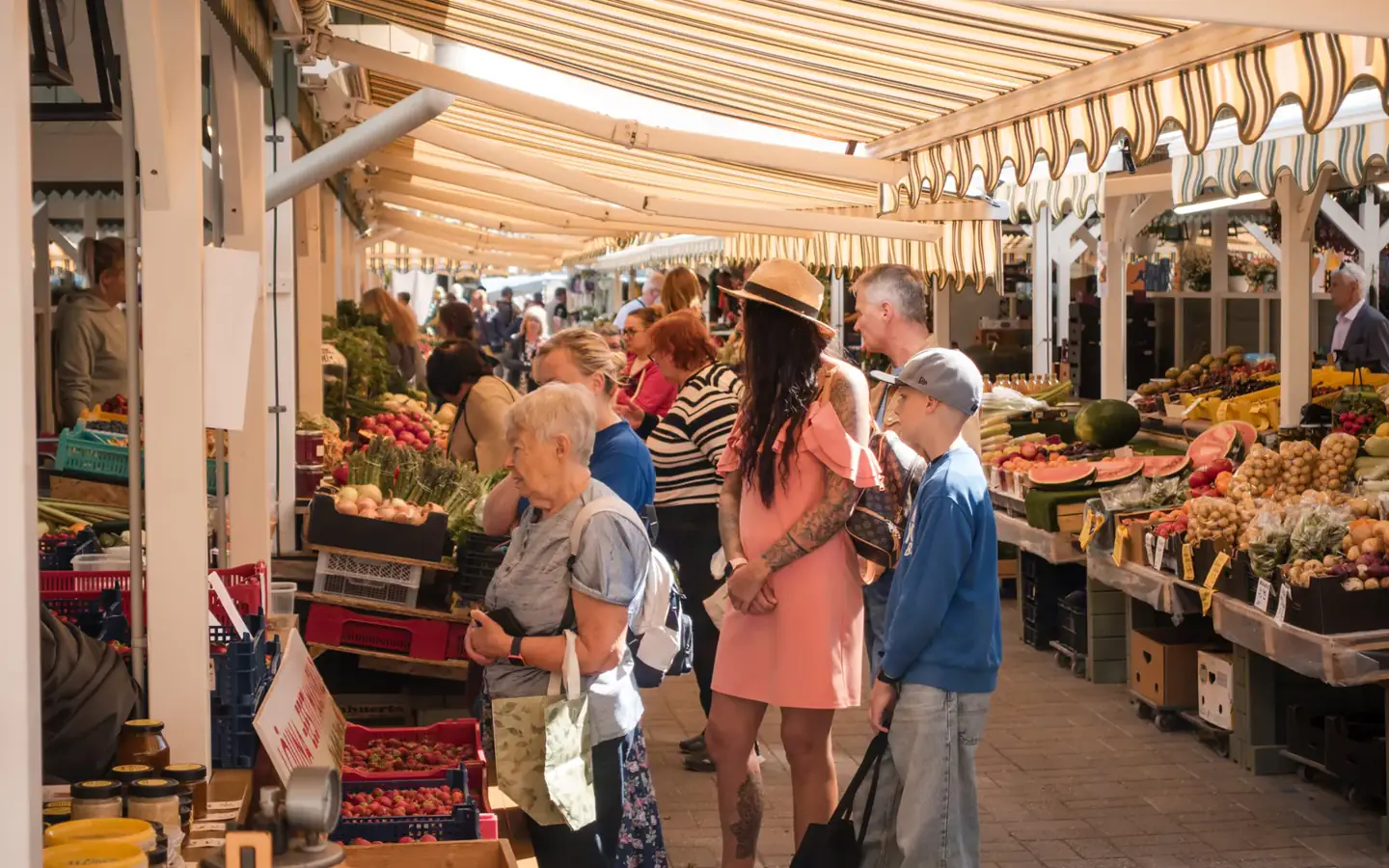
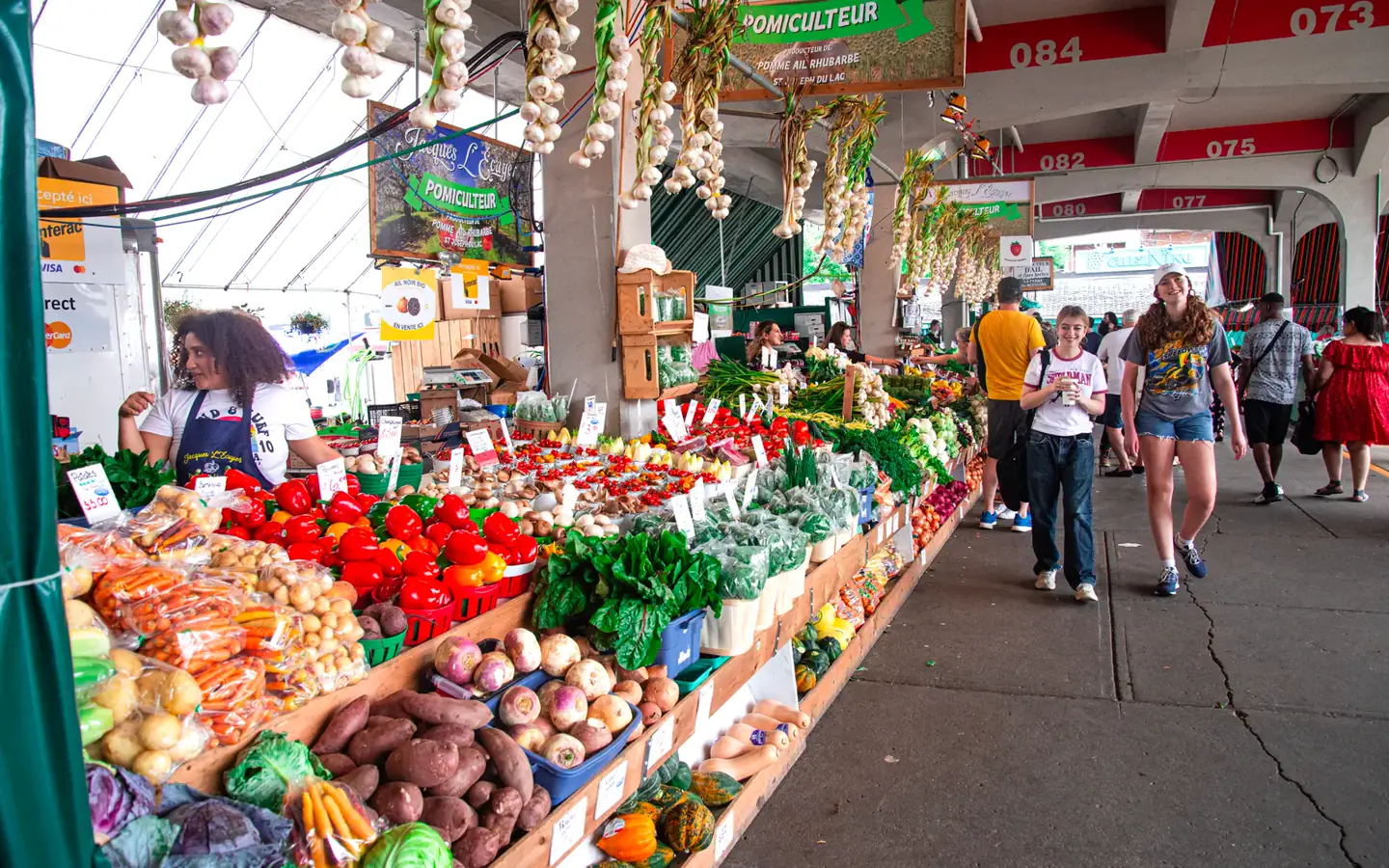
USDA defines a farmers market directory listing as a recurrent physical location where two or more farm vendors sell agricultural products directly to customers. Individual markets can set stricter vendor rules, but shoppers should not assume that every item at every stall was grown by the person selling it.
Markets may include producer-only vendors, resellers, bakers, prepared-food businesses, craftspeople, or a mixture. If origin matters, ask:
- “Did your farm grow this?”
- “Where is the farm?”
- “Do you bring in products from another grower?”
- “Can I read this market’s vendor rules?”
A transparent answer is more useful than a vague sign.
Direct sales can matter to small farms
USDA ERS reported that small family farms sold more than $2.4 billion in food products directly to consumers in 2023 through channels including farmers markets, farm stands, and CSAs. Direct marketing can give producers a retail relationship with customers and a place to test varieties, explain production practices, and receive immediate feedback.
That does not mean every dollar stays inside a tiny radius or that every direct-market farm is profitable. Farms buy fuel, packaging, equipment, insurance, labor, and services from many places. Economic impacts depend on what is purchased locally, what would have been purchased otherwise, and the structure of the regional economy.
Be careful with sweeping environmental claims
Food miles are visible, but distance is only one part of environmental impact. Production method, heating or cooling, storage, packaging, waste, and transportation efficiency all matter. An older USDA ERS review found the evidence insufficient for broad claims that local food systems inherently reduce energy use or greenhouse gas emissions.
A more honest shopping question is concrete: How was it grown? Is it in season here? How was it transported and packaged? Will I eat it before it spoils?
“Local” is not the same as “organic”
Organic certification is a regulated production and labeling system. Locality describes a relationship or geography. Food can be local and conventionally grown, certified organic and shipped a long distance, both, or neither.
Small farms may follow practices you value without certification, but “natural,” “chemical-free,” and “no spray” can be imprecise. Ask the farmer how weeds, insects, soil fertility, and disease are managed. Let the answer—not the label alone—guide you.
Community value is real but difficult to reduce to one number
Markets can provide public gathering space, low-barrier sales opportunities, food access programs, and a place for residents to meet producers. The strength of those benefits varies by management, location, transportation access, operating hours, affordability, and whether farmers and neighbors actually participate.
USDA ERS reviews have described the evidence on some broader economic and nutrition outcomes as mixed. That is a useful reminder: supporting a local market is a practical choice, not a magic solution to every food-system problem.
A better definition for your own shopping
Decide what “local” is supposed to accomplish for you:
- Relationship: buying directly from the person who grew or made the food.
- Geography: food produced within a distance or region you choose.
- Freshness: shorter time between harvest and purchase.
- Production values: practices you have discussed with the grower.
- Community: supporting a market that creates a useful public place.
Then ask questions that test that goal. The result is more meaningful than treating “local” as a universal quality seal.