Food access
How SNAP/EBT Works at Farmers Markets
What to look for, where to swipe your card, what tokens mean, and how produce incentives can stretch a market budget.
Updated September 3, 2026 · 8 minute read
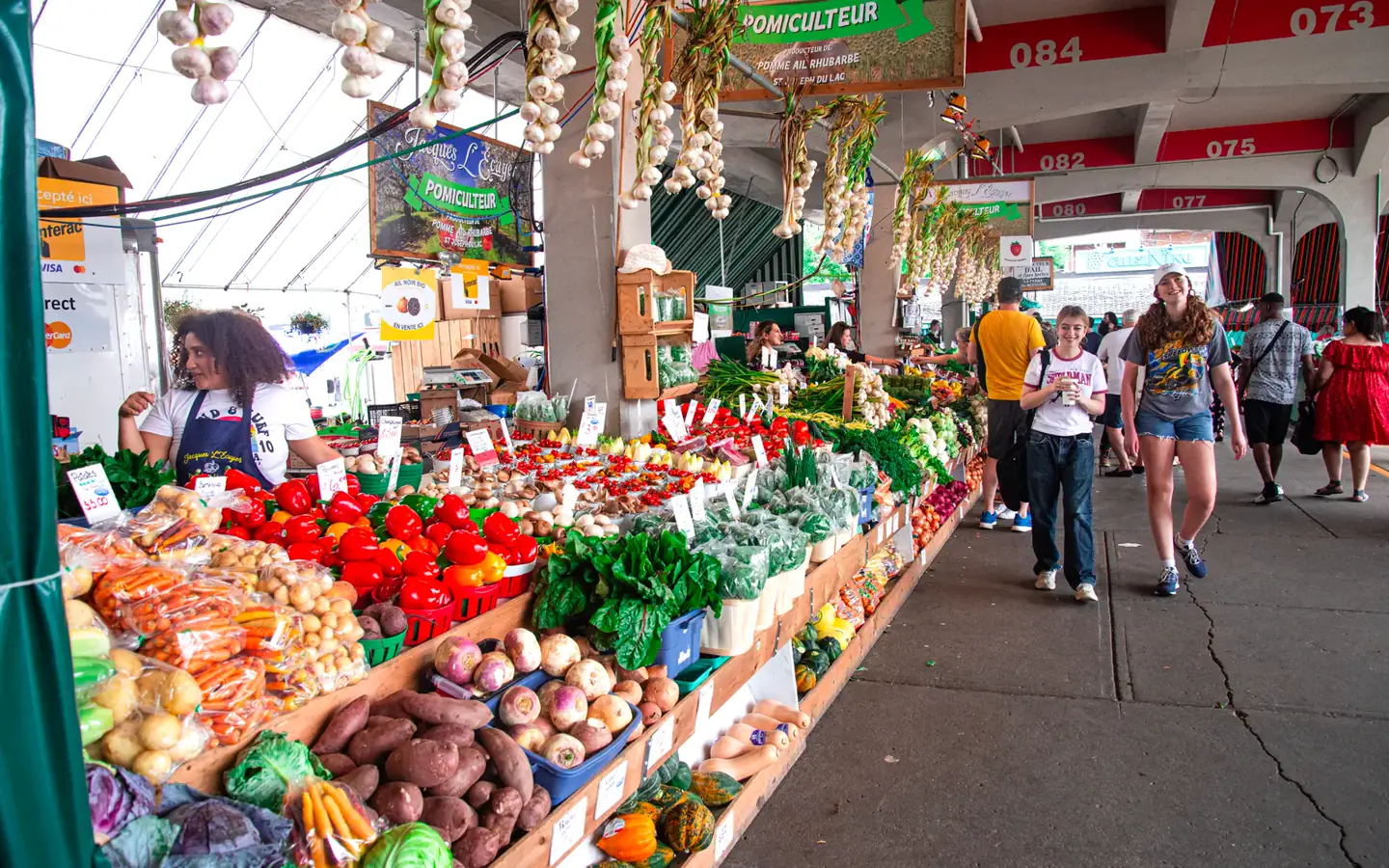
Many farmers markets accept SNAP benefits, but checkout may look different from a grocery store. At some markets you pay each authorized vendor. At others, one central booth processes your EBT card and gives you market currency—often wooden tokens, paper scrip, or receipts—to spend with eligible vendors.
Here is how to plan the visit and avoid surprises.
Step 1: confirm that the market currently accepts SNAP
Search our SNAP/EBT market directory, then check the market’s official website or social page. Payment details can change, and a seasonal market may operate an EBT terminal only during staffed hours.
USDA’s SNAP Retailer Locator is another useful check because it searches authorized SNAP retailers, not just farmers markets. A directory badge is helpful, but the market itself is the best source for today’s setup.
Step 2: look for the information booth
If vendors do not each have EBT equipment, find a booth marked “SNAP,” “EBT,” “market info,” or “tokens.” Tell the staff how much you want to debit. You will enter your PIN, receive a receipt, and get the market’s approved scrip or tokens in the same amount.
USDA FNS describes this central-terminal approach as a scrip system. Rules vary by market: ask whether tokens expire, whether they can be used on a future date, and where unused tokens can be refunded.
Never share your PIN. Staff should not need to know it.
What can SNAP buy at a market?
The same federal eligibility rules that apply at other SNAP retailers generally apply at an authorized farmers market. Common eligible market items include:
- fruits and vegetables;
- meat, poultry, and fish;
- dairy products and eggs;
- breads, cereals, and other foods for the household;
- seeds and food-producing plants;
- cold foods intended to be taken home.
SNAP generally cannot pay for alcohol, tobacco, vitamins or supplements, nonfood merchandise, or food sold hot for immediate consumption. A market may also have craft vendors whose products are not SNAP eligible.
When in doubt, ask the booth before exchanging a larger amount.
Incentives are separate from regular SNAP benefits
Some markets offer a fruit-and-vegetable incentive—often known locally by names such as Double Up Food Bucks, Market Match, Fresh Bucks, or another regional brand. A common design matches part of a SNAP purchase with additional funds restricted to eligible fruits and vegetables. The match rate, daily cap, eligible foods, and participating dates are local program rules, not a nationwide promise.
USDA FNS notes that farmers markets can participate in approved healthy-incentive projects. Ask these exact questions:
- Is there a match today?
- How much of my purchase can be matched?
- Are the incentive tokens limited to fruits, vegetables, herbs, or food-producing plants?
- Can I spend them at a later market day?
Our market budget planner can model a match, but always use the cap posted by the actual market.
WIC and SFMNP are different programs
WIC Farmers’ Market Nutrition Program checks or benefits and Senior Farmers’ Market Nutrition Program benefits are not the same as SNAP. A market that accepts one may not accept the others, and participation can be vendor-specific. Look for program signs and ask before selecting food.
A sample transaction
Suppose you ask to charge $24 to your EBT card. The market gives you $24 in SNAP tokens. If an approved local incentive matches the first $20, you may also receive $20 in produce-only incentive currency. You would then have $44 to spend, but the two token types may cover different products.
That is only an illustration. Your local program might match a different amount, use an electronic system, or have no current incentive.
Before you go checklist
- Confirm market hours and SNAP participation.
- Bring your EBT card and know your PIN.
- Check the local incentive name and current cap.
- Ask how refunds and unspent tokens work.
- Keep different token types separate.
- Bring a second payment method for non-eligible food or crafts.