Market basics
Your First Farmers Market Trip: A Practical Game Plan
A no-stress plan for choosing a market, knowing what to bring, talking with growers, and getting the best seasonal selection.
Updated September 3, 2026 · 8 minute read
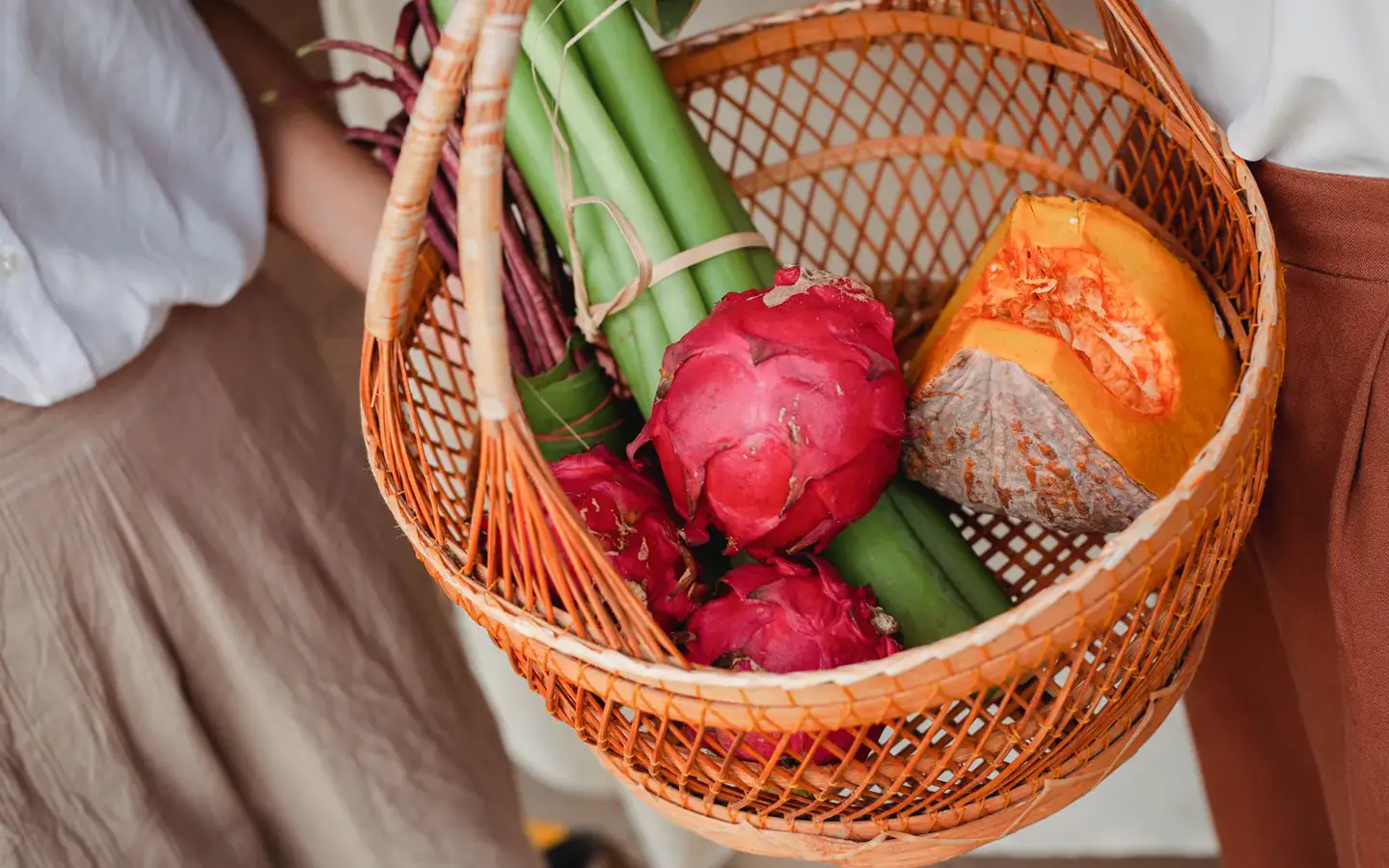
A farmers market is part grocery run, part seasonal snapshot, and part conversation with the people who produced the food. It is also less standardized than a supermarket. Hours can shift, vendors may sell out, and the best-looking ingredient may be something you did not plan to buy.
This guide gives you a simple first-trip routine without pretending every market works the same way.
Before you leave
Start by checking three things: the market’s official page, the weather, and the directory listing. USDA’s National Farmers Market Directory is designed to publish locations, operating times, products, and payment methods, but listings are supplied and updated by market operators. Treat any directory—including ours—as a starting point, then confirm holiday and weather changes directly with the market.
Make a flexible list with categories rather than exact items. “Two dinner vegetables, fruit for breakfasts, eggs, and one treat” works better than insisting on asparagus after its short local season has ended.
Bring:
- two or three reusable bags, including one that can protect delicate berries or tomatoes;
- a small insulated bag and ice pack if you expect to buy meat, dairy, eggs, or cut produce;
- a backup payment method, even when a listing reports cards or SNAP/EBT;
- water, sun protection, and comfortable shoes for an outdoor market;
- your shopping list and a rough spending limit.
Pick the right arrival time
Early shoppers usually get the widest choice and cooler conditions. Later shoppers may find a calmer aisle, but popular bread, berries, eggs, and specialty items can sell out. There is no universal “discount hour,” and asking a farmer to reduce a fair posted price can put them in an awkward position.
If accessibility, crowds, or sensory load matters, ask the market whether it has a quieter period, accessible parking, seating, or curbside pickup. Some markets publish these details; many do not.
Take one lap before buying
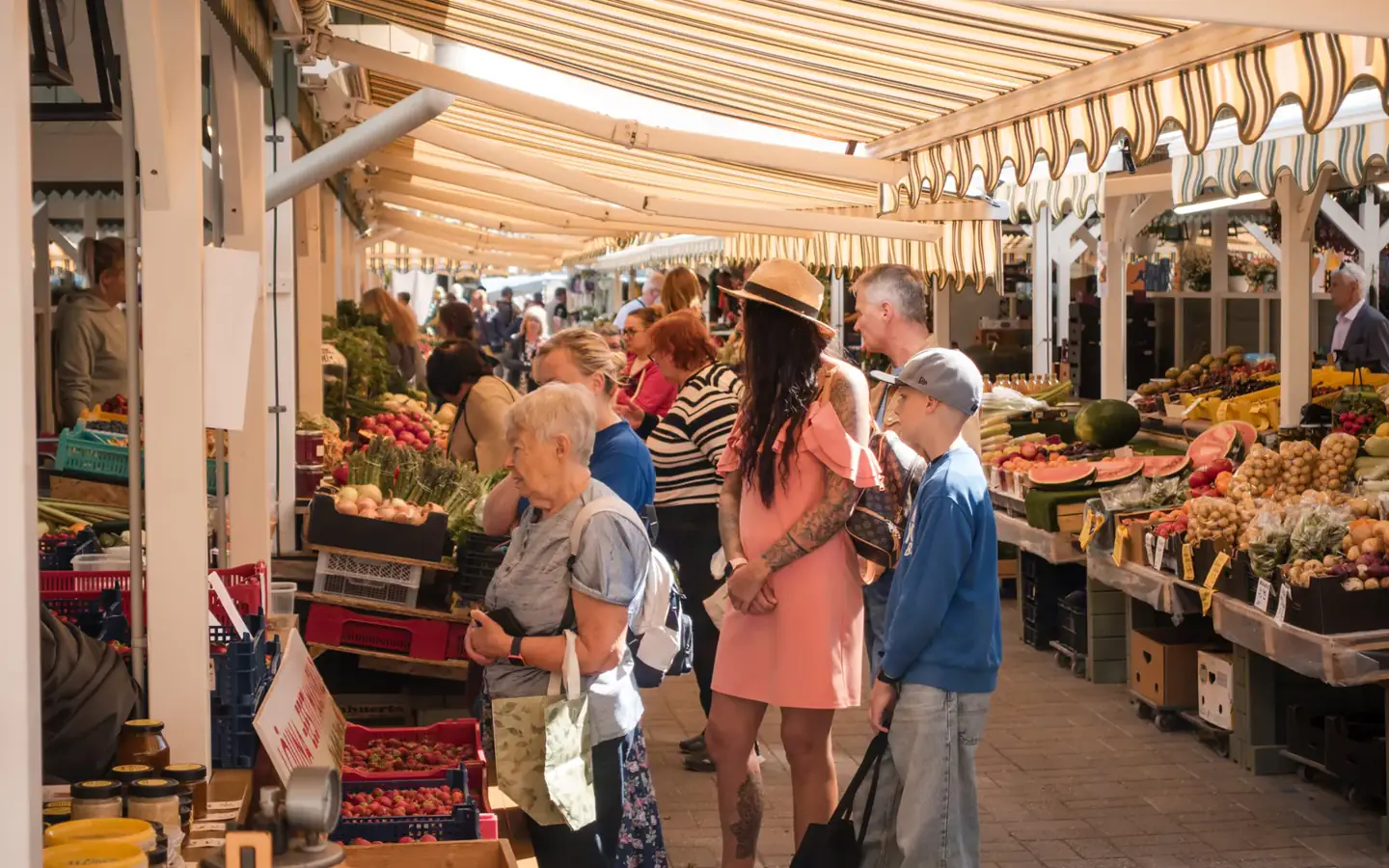
On your first pass, notice prices, varieties, and which stands have lines. Look for the information booth if you need to run an EBT card, buy market tokens, find restrooms, or ask about vendors.
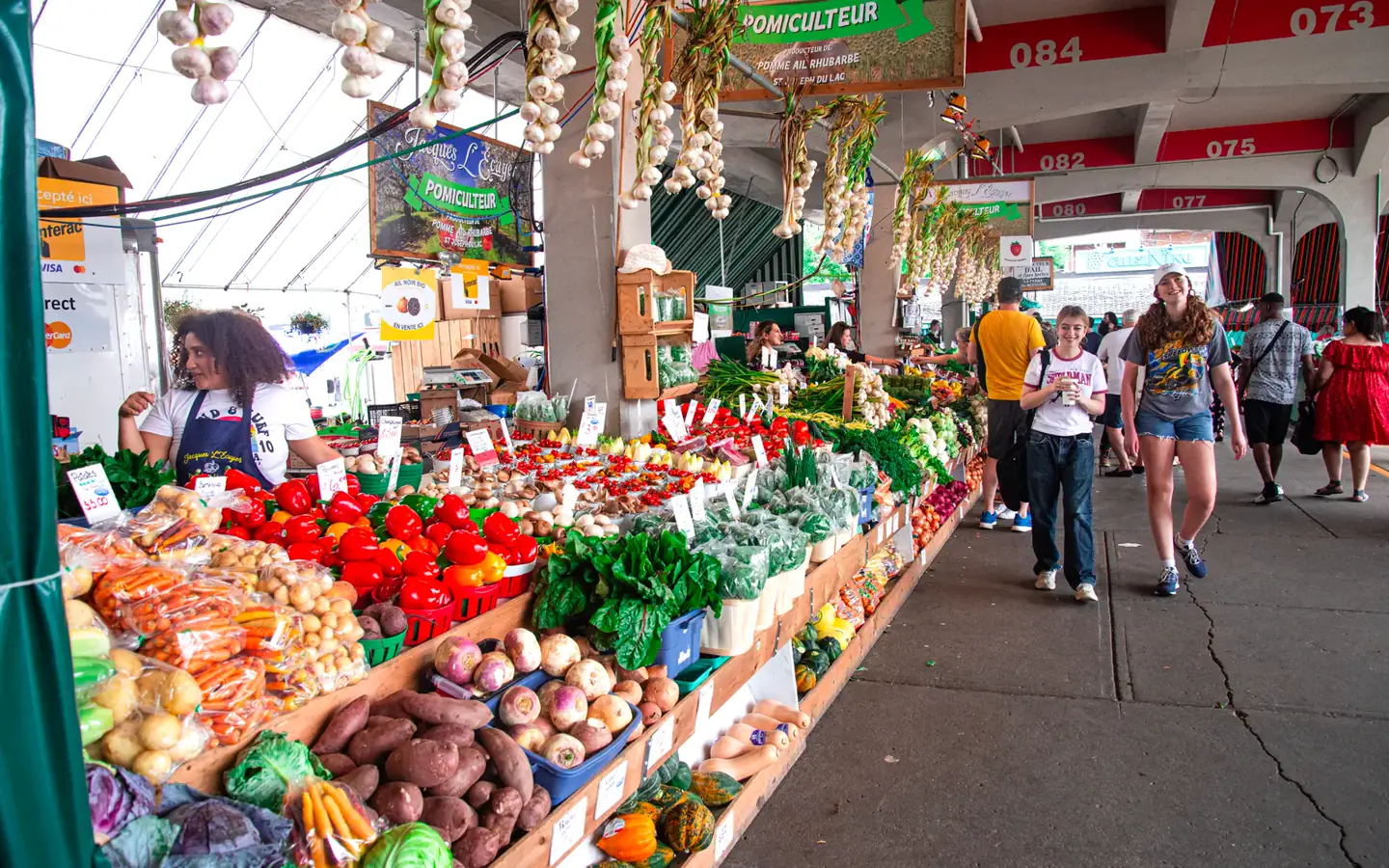
Then decide where your limited budget matters most. A tomato that will be eaten raw tonight may deserve more attention than an onion going into a long-cooked soup. Build meals around what is abundant: a large display across several farm stands is often a strong clue that the crop is in its local peak.
Useful questions to ask a grower
You do not need expert vocabulary. Specific, practical questions get the most helpful answers:
- “Which variety is best for eating today?”
- “What will keep until next week?”
- “How do you cook this?”
- “Was this grown by your farm?”
- “What does your organic or spray practice look like?”
- “Do these need refrigeration?”
“Local,” “natural,” and “no-spray” are not interchangeable with USDA organic certification. If a production method matters to you, ask what the vendor means rather than relying on a handwritten adjective.
Price food by the meal, not only by the pound
A market budget works better when you connect purchases to meals. Before paying, assign each perishable item a job: tacos on Tuesday, packed lunches, freezer sauce, or snacks. A cheap oversized box is expensive if half of it spoils.
Use our market budget planner before a larger trip. It can divide a monthly amount into a per-visit target and model a produce-incentive match without assuming every market offers one.
Get food home safely
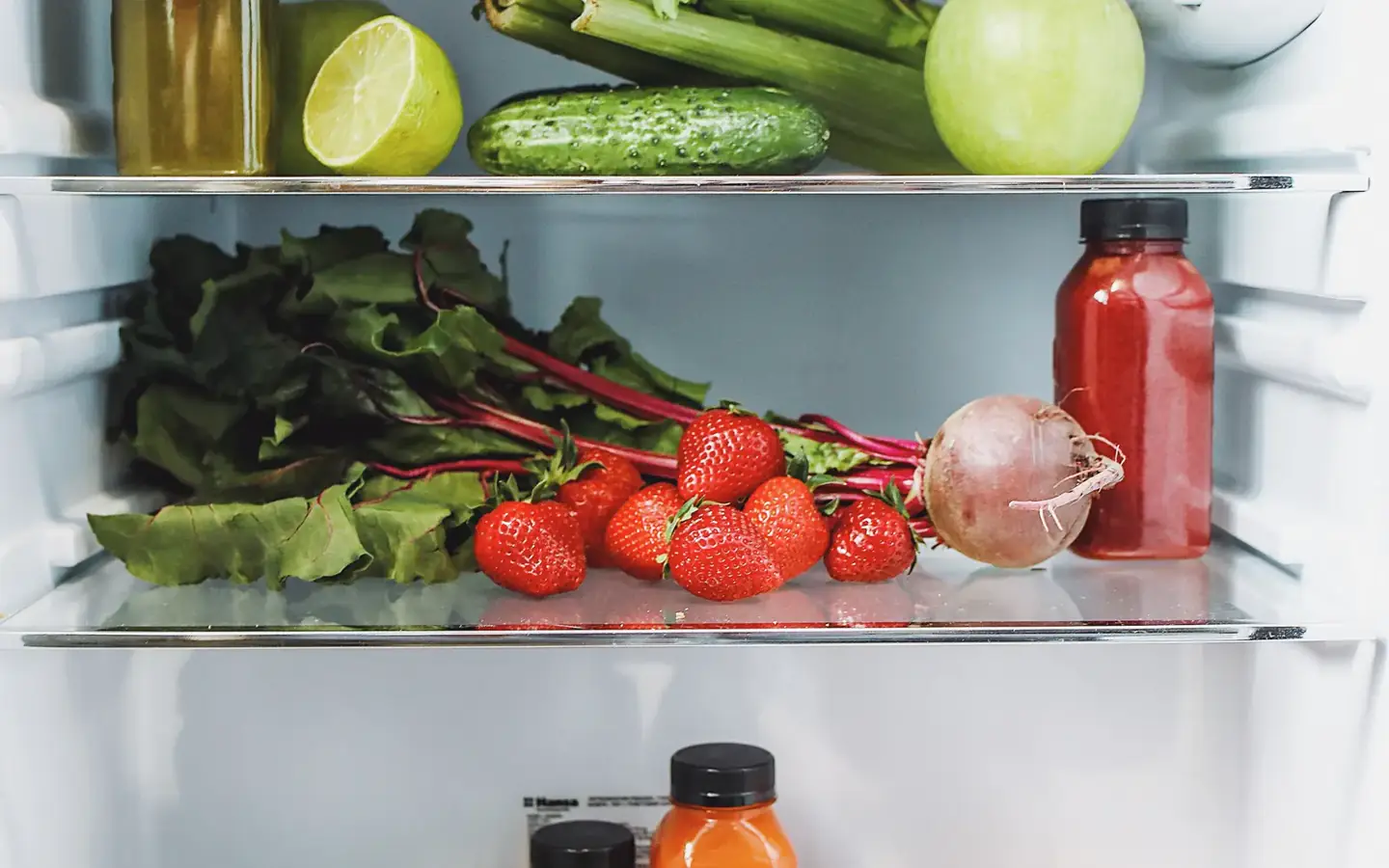
The FDA advises shoppers to choose produce that is not bruised or damaged and to keep pre-cut produce refrigerated or on ice. At home, wash produce under running water before preparing it; the FDA does not recommend soap, detergent, or commercial produce washes. Keep raw meat separate from ready-to-eat food and refrigerate temperature-sensitive purchases promptly.
For a crop-by-crop routine, see our fresh produce storage guide.
A 10-minute first-trip plan
- Confirm today’s hours on an official channel.
- Set a dollar target and choose three meal categories.
- Find the information booth and learn the payment system.
- Walk one loop before buying.
- Ask one vendor what is best this week.
- Protect delicate and cold items on the trip home.
- Write tomorrow’s meal on a note so your most perishable purchase gets used first.
The goal is not to shop perfectly. It is to leave with food you will actually enjoy, a clearer sense of the local season, and enough confidence to return.