Kitchen guide
How to Store Farmers Market Produce So It Lasts
A practical storage system for greens, berries, herbs, tomatoes, roots, and other fresh market finds.
Updated September 3, 2026 · 9 minute read
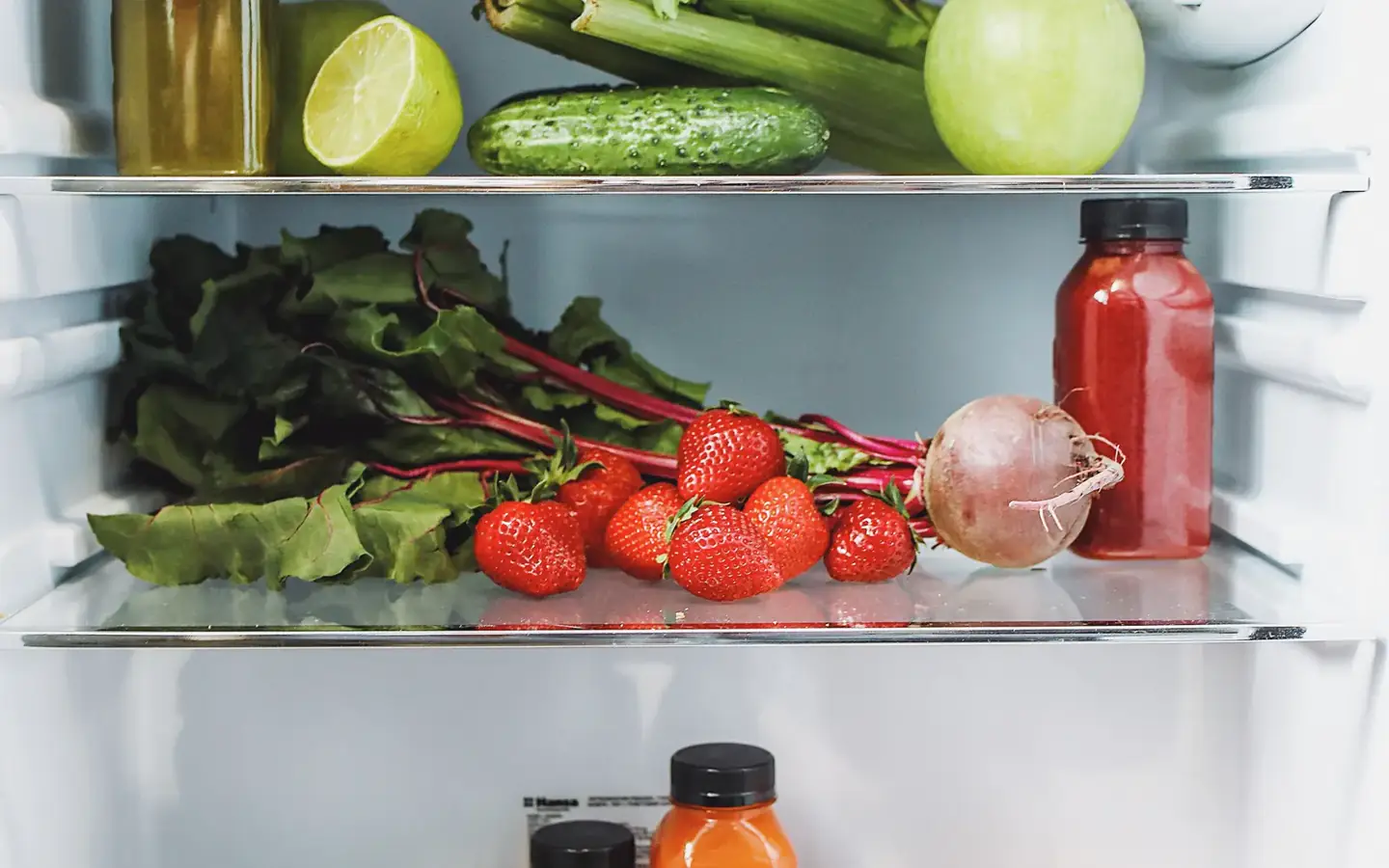
Freshness is not a single setting called “refrigerate.” Greens lose water, berries dislike trapped moisture, basil suffers in cold temperatures, and potatoes need darkness without a sealed plastic bag. A five-minute sorting routine after the market can save more food than an elaborate organizer.
First, make a use-order
Before storing anything, divide the haul into three groups:
- Use first: bruised fruit, ripe berries, cut produce, tender greens, fresh corn.
- Use this week: cucumbers, summer squash, beans, herbs, ripe tomatoes.
- Holds longer: apples, cabbage, carrots, beets, onions, garlic, potatoes, winter squash.
Move one “use first” item into tomorrow’s meal plan. Visibility matters: a labeled clear container is more useful than a perfect storage method you forget about.
Washing: wait unless you have a reason
The FDA recommends washing produce under running water before preparing or eating it, including produce from a farmers market. It does not recommend soap, detergent, or commercial produce wash. Washing can reduce bacteria but does not eliminate it.
For storage, excess moisture can speed deterioration. Many items keep better unwashed until use. If washing leafy greens in advance makes your household more likely to eat them, dry them very thoroughly and refrigerate in a clean container with an absorbent towel.
Always refrigerate pre-cut produce and keep it cold.
Quick storage table
| Produce | Good starting method | Check first for |
|---|---|---|
| Berries | Refrigerate dry in a shallow, ventilated container | Crushed or moldy berries |
| Leafy greens | Refrigerate, protected from drying, with excess moisture absorbed | Wilted or damaged leaves |
| Carrots and beets | Remove leafy tops; refrigerate roots | Soft spots |
| Fresh herbs | Most: stems in a little water, loosely covered and chilled | Slimy stems |
| Basil | Stems in water at cool room temperature, away from direct sun | Blackened leaves |
| Tomatoes | Room temperature until ripe; avoid crushing | Splits or leaking fruit |
| Potatoes | Cool, dark, ventilated place | Green skin or heavy sprouting |
| Dry onions/garlic | Cool, dry, ventilated place | Moisture or soft areas |
| Winter squash | Cool, dry location with airflow | Cuts and soft spots |
These are household starting points, not shelf-life promises. Variety, ripeness, harvest handling, and room conditions matter.
Separate ethylene-sensitive produce
Some ripening fruit—including apples, pears, peaches, and tomatoes—releases ethylene gas. It can accelerate yellowing or aging in sensitive produce. If your greens, cucumbers, or herbs are deteriorating unusually fast, move them away from ripening fruit and improve airflow.
Keep cold food cold on the trip home
Market shopping is often followed by coffee, lunch, or errands. That is risky for meat, eggs, dairy, and cut produce in a warm car. Pack an insulated bag with an ice pack and make food the last stop before home when possible.
Separate raw meat and poultry from ready-to-eat produce. At home, clean hands, cutting boards, knives, and counters help prevent cross-contamination.
Freeze the rescue, not the fantasy
If produce is still sound but you cannot use it in time, choose a low-friction rescue:
- freeze berries in a single layer, then transfer them to a container;
- blanch suitable vegetables before freezing for better quality;
- cook tomatoes into a freezer sauce;
- turn herbs into pesto or herb butter;
- roast squash and freeze the purée.
Home canning is different: it requires a tested recipe and correct processing method. Do not improvise acidity, jar size, or processing time. Use the National Center for Home Food Preservation or another current research-based source.
A two-minute weekly reset
Once a week, move older produce to one visible “eat next” shelf, remove spoiled pieces, and choose a flexible meal: soup, frittata, stir-fry, grain bowl, sauce, or smoothie. The meal should fit the produce rather than demand exact ingredients.