Smart shopping
A Farmers Market Budget That Works in Real Life
Build a flexible market budget, compare unit prices, use a SNAP produce match correctly, and reduce expensive food waste.
Updated September 3, 2026 · 9 minute read
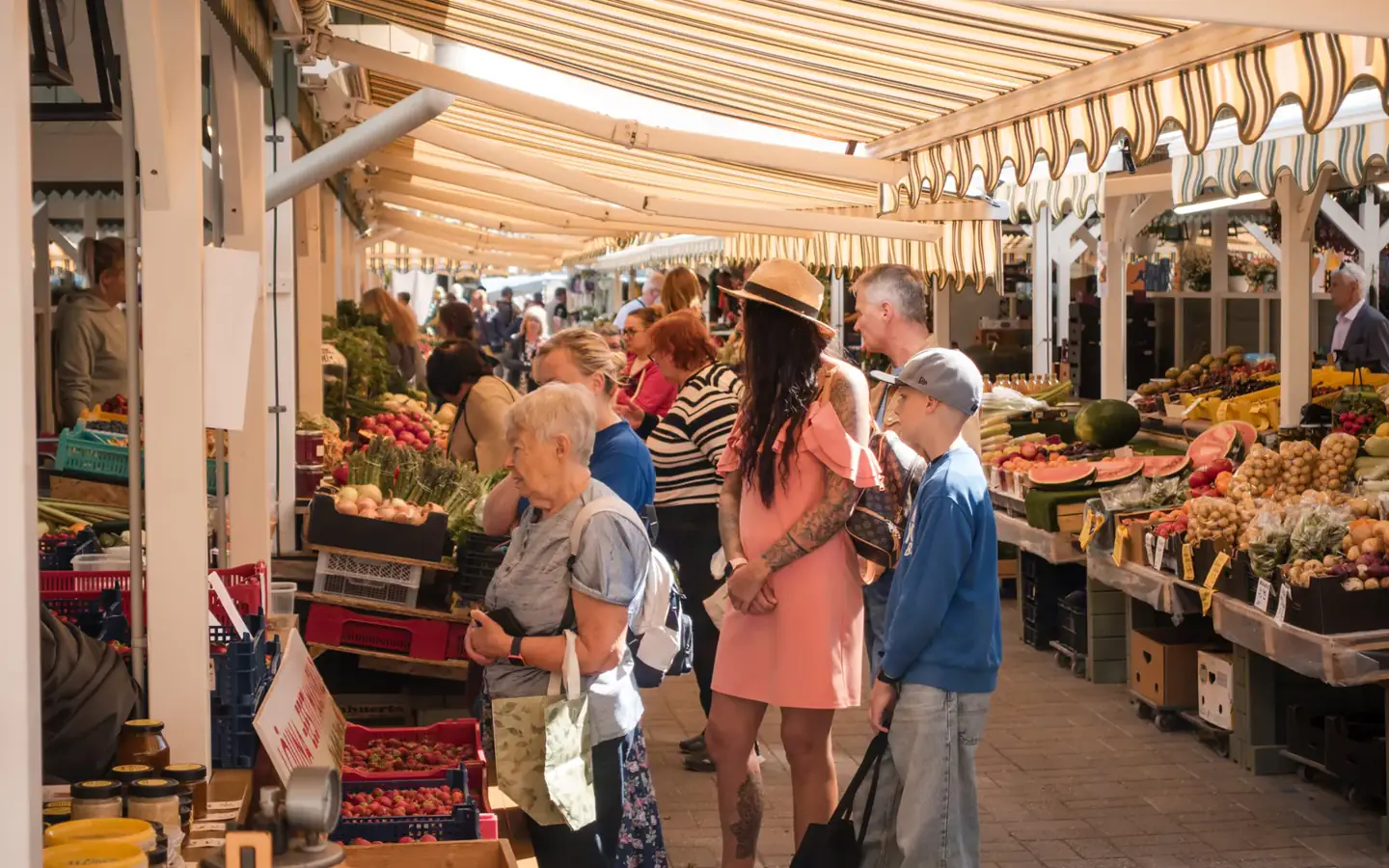
A useful food budget is not a vow to buy the cheapest version of everything. It is a plan for turning a limited amount of money into meals your household will eat. At a farmers market, that means managing seasonal variation, unfamiliar package sizes, and payment programs that may work differently at each location.
Start with a per-trip ceiling
If you shop weekly, divide the market portion of your monthly food budget by the number of planned trips. Keep a small reserve instead of spending the entire monthly amount on the first beautiful Saturday.
Our market budget planner does this calculation and can separately model a produce incentive. The result is a planning target, not financial advice and not a promise about market prices.
Give every purchase a role
Use four buckets:
- Base ingredients: potatoes, onions, carrots, cabbage, grains, eggs, or another flexible staple.
- Use-now produce: ripe tomatoes, berries, tender greens, peaches.
- Flavor: garlic, herbs, peppers, cheese, preserves.
- One discovery: an unfamiliar variety or prepared item.
Fund the base ingredients first. The discovery category keeps the trip enjoyable without allowing impulse purchases to take over the grocery plan.
Compare usable food, not only sticker price
Unit price matters, but so do trimming, spoilage, and meal yield. A bunch of beet roots with fresh tops can serve as both a roasted vegetable and cooked greens. A bruised half-bushel is only a bargain if you have time and freezer space to process it.
Ask whether vendors sell seconds for cooking, smaller quantities, or mixed boxes. Accept the posted answer without haggling. Farms have real labor and production costs, and not every stand can discount.
Use abundance as your substitution engine
Write “cooking green” instead of “spinach,” “roasting vegetable” instead of “cauliflower,” and “snacking fruit” instead of “blueberries.” Flexible categories let you choose the crop that is abundant instead of paying for one scarce item.
The seasonal produce explorer can suggest likely alternatives, but conditions vary by region and week. The vendors’ displays are the live forecast.
Understand SNAP matches before counting them
Some markets operate approved incentives that add produce-specific spending power when a shopper uses SNAP. The program may match only the first part of a transaction, restrict the bonus to fruits and vegetables, or use different currency from regular SNAP tokens.
Do not treat a match as guaranteed income in your plan until you confirm the market, date, and cap. At the information booth, ask how regular SNAP currency, incentive currency, refunds, and expiration work. See our full SNAP/EBT market guide for a sample transaction.
Budget for the food you can store
The most expensive item is the one thrown away. Before buying a large quantity, answer:
- What will we eat in the next two days?
- What will still be good later in the week?
- What can I realistically freeze or preserve today?
Pair delicate food with durable food. Berries and salad greens need attention first; cabbage, carrots, apples, onions, and winter squash can give the week more breathing room. Our produce storage guide has a practical use-order.
Try the envelope method
Whether you use cash, card, or benefits, divide your target mentally or on paper:
- 50% flexible meal ingredients;
- 25% fruit and ready-to-eat vegetables;
- 15% proteins or specialty staples;
- 10% treat or discovery.
Those percentages are a starting experiment, not a nutrition prescription. A vegetarian household, a large preserving project, or a market without meat and dairy will need a different split.
Review one number after the trip
Do not track everything forever. Ask one week later: how much of the market food was eaten? If waste is high, buy fewer perishable varieties or share a bulk purchase. If the food disappeared too quickly, direct more of the next budget to durable staples.
A budget improves through feedback, not guilt.