U-pick farms
U-Pick Farm Planning Guide: Before You Drive Out
How to confirm crop conditions, understand farm rules, bring the right gear, and keep a pick-your-own visit safe.
Updated September 3, 2026 · 8 minute read
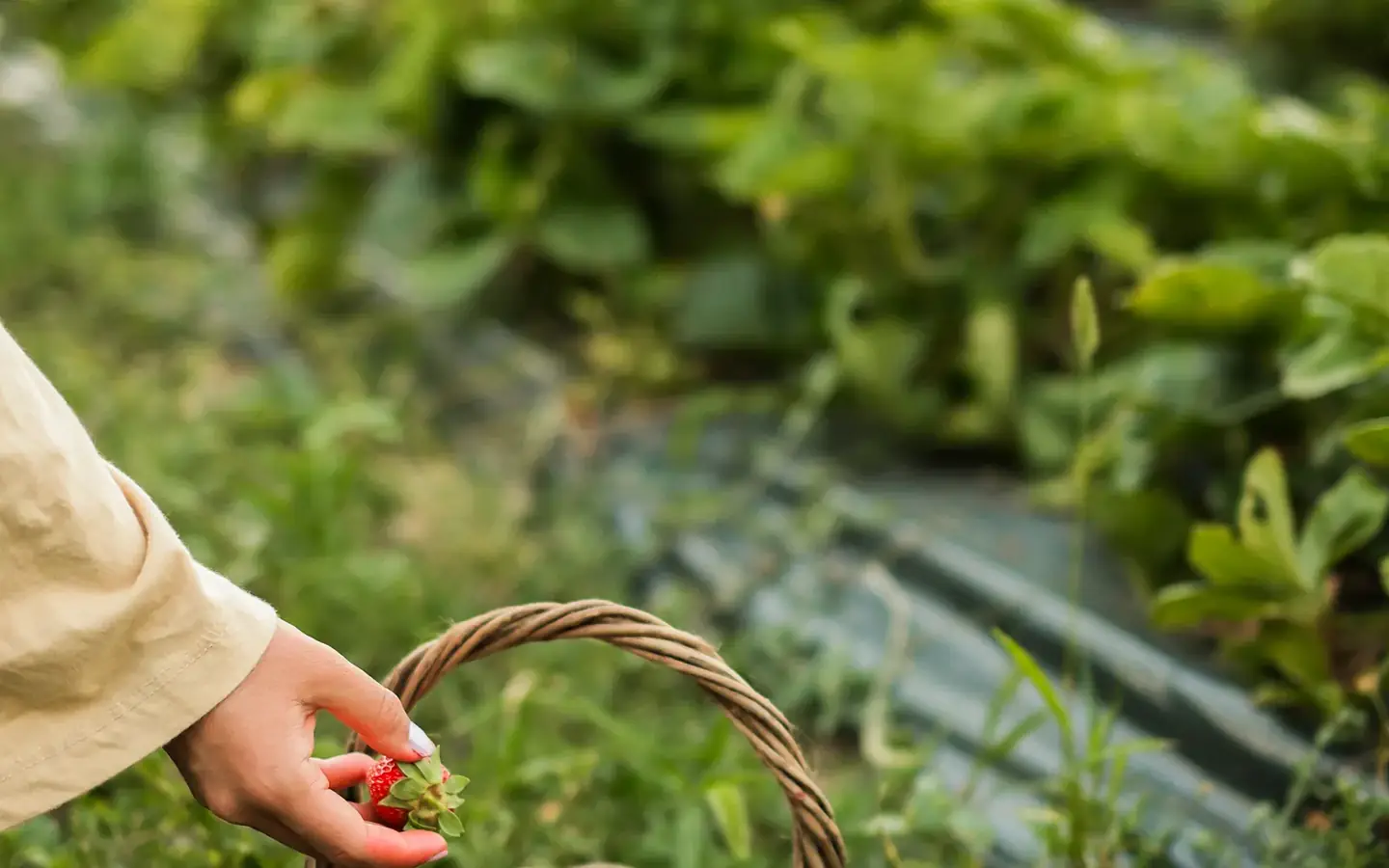
A pick-your-own crop can go from “plenty” to “picked out” in a busy morning. A farm can also close a field after rain, move check-in, or require reservations. The most important planning step happens on the day of the visit: check the farm’s official update before getting in the car.
Ask these questions on the same day
- Is the crop open for picking today?
- Are reservations or timed tickets required?
- What is the last field-entry time?
- Does the farm charge admission, a minimum purchase, or a container fee?
- Are outside containers allowed, or must you use farm containers?
- Which payments are accepted?
- Are restrooms, drinking water, shade, and accessible picking areas available?
- Are pets prohibited? Most working farms restrict them for food-safety and livestock reasons.
A posted closing time is not always the last admission time. Give yourself enough time to check in, walk to the field, pick, weigh, and pay.
Dress for a working farm
Choose closed-toe shoes with traction, clothes that can get stained, sun protection, and weather-appropriate layers. Bring water and any farm-approved container. After rain, expect mud even when your neighborhood is dry.
For low-growing crops such as strawberries, a kneeling pad can help. For thorny berries, sleeves may be more comfortable. Never climb ladders, farm equipment, fences, or trees unless the farm specifically provides and supervises that activity.
Learn the crop before filling the basket
Ask staff to show you a ripe example. Color alone can mislead: some berries detach easily when ripe; peaches may need a gentle lift rather than a pull; apples can be damaged by twisting branches.
Pick only in marked rows. Leave immature and damaged fruit on the plant unless staff gives different instructions. A shallow container protects berries better than a deep bucket, where the lower fruit can be crushed.
Do not sample in the field unless the farm explicitly permits it. Produce should be washed before eating, and the field’s price assumes everything picked will be weighed or counted.
Children, animals, and handwashing
Farms are active workplaces. Supervise children near parking areas, tractors, ponds, fences, tools, and animals. CDC guidance emphasizes that healthy-looking farm animals can carry germs. Wash hands with soap and running water after animal contact and before eating; hand sanitizer is a temporary option when soap and water are unavailable.
Keep food, cups, pacifiers, and toys out of animal areas. Children under five, adults 65 and older, pregnant people, and people with weakened immune systems should take extra care around animal exhibits.
Plan what happens after picking
Know how much you can use. Estimate containers by recipe rather than by enthusiasm: one batch of jam, two pies, three freezer bags. If you intend to can food, select a current tested recipe before the trip so you buy the right quantity and acidity.
Bring a cooler for a long ride or hot day. At home, sort fruit immediately. Set aside bruised but sound fruit for cooking, refrigerate delicate produce, and freeze or preserve surplus while it is still high quality.
Weather changes more than comfort
Rain can close fields to protect soil and plants. Heat can shorten picking hours and increase the need for water and breaks. Lightning, wildfire smoke, or extreme heat can cancel operations with little notice. Respect a closure even if you have traveled a long way; it protects visitors, staff, and the crop.
The concise U-pick checklist
- Read today’s crop update.
- Reserve if required.
- Confirm price, containers, payment, and last entry.
- Pack water, sun protection, closed shoes, and a cooler.
- Ask how to identify and pick ripe fruit.
- Keep children close and wash hands after animal contact.
- Cool, sort, and use the harvest promptly.
Our U-pick planning page explains the difference between pick-your-own farms and farmers markets and links to the USDA’s dedicated agritourism directory.